
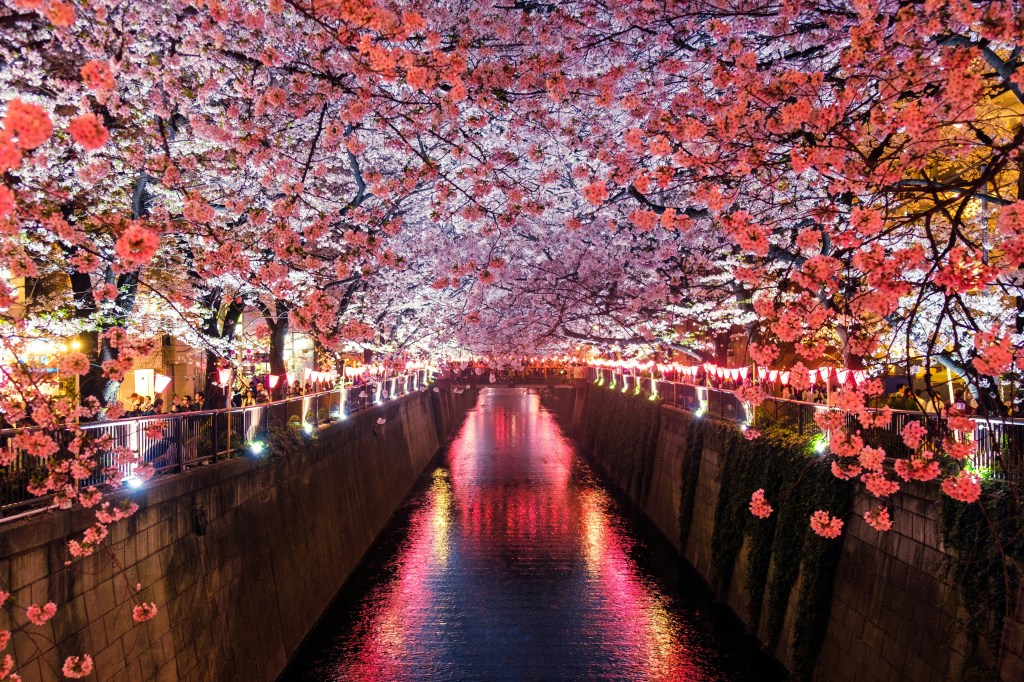
Japan, a land of contrasts, seamlessly blends modernity with deep-rooted tradition. While Tokyo, Kyoto, and Osaka often top the lists of must-visit cities, there’s a hidden side to Japan that remains largely undiscovered by mainstream tourists. These lesser-known towns and regions offer a unique opportunity to connect with Japan’s rich history, serene landscapes, and regional cultures in a more intimate and authentic way.
In this blog post, we’ll uncover some of Japan’s best-kept secrets — destinations that lie off the well-worn tourist trails but promise unforgettable experiences. From the samurai stronghold of Aizu-Wakamatsu to the spiritual heartland of Shikoku, these places will captivate the hearts of adventurous travelers. And of course, no trip would be complete without a stop at Tokyo and the iconic Mount Fuji.
Getting There: How to Reach Japan’s Hidden Gems
While major cities like Tokyo and Osaka are easily accessible via international flights, getting to Japan’s lesser-known regions involves using the country’s efficient and extensive domestic transport system. The Japan Rail Pass is your best friend for exploring these hidden gems. High-speed shinkansen trains, limited express services, and regional buses make even the most remote areas easily reachable.
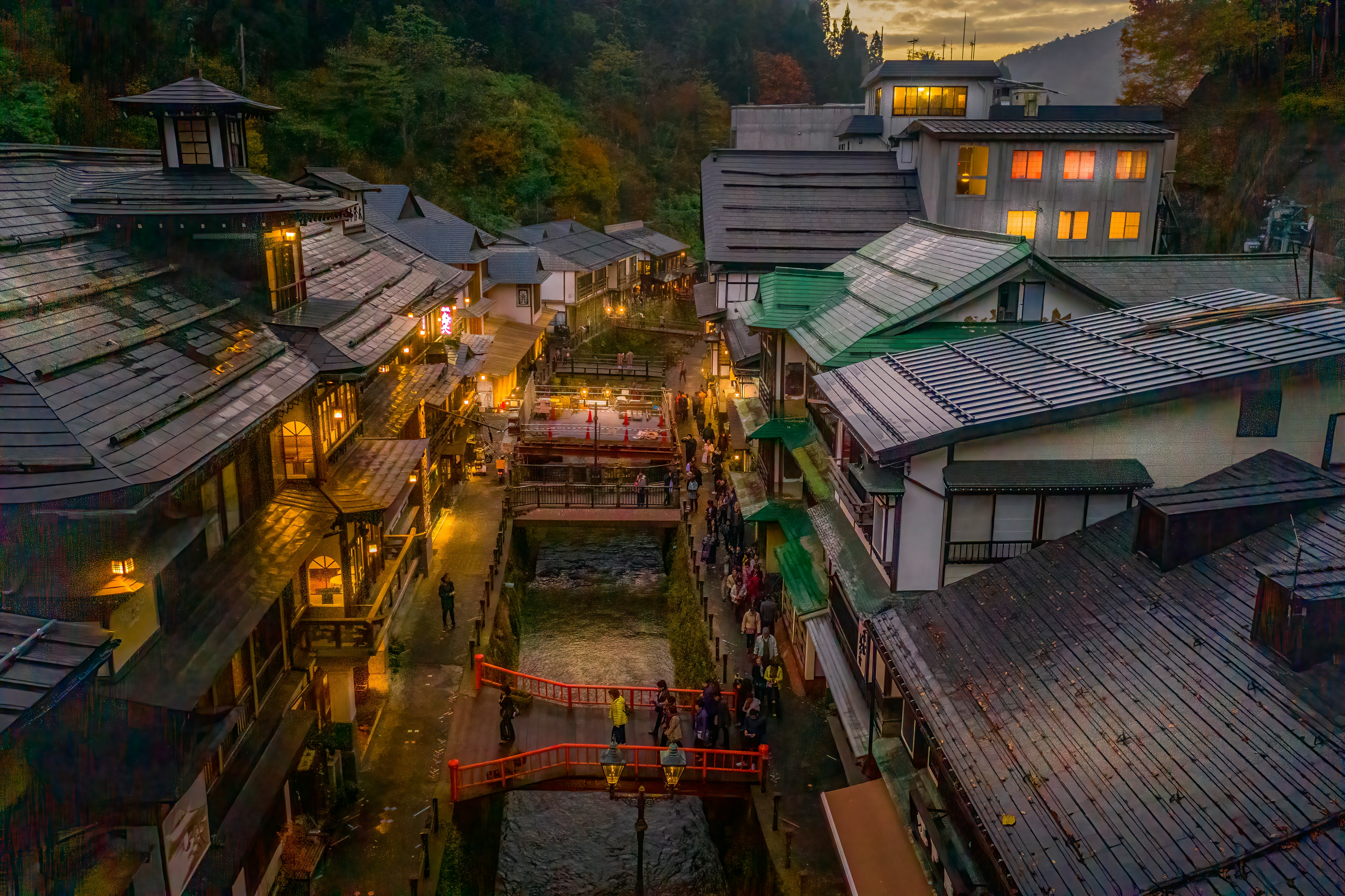
Top Lesser-Travelled Destinations in Japan
Kanazawa
Situated on Japan’s northern coast, Kanazawa is often referred to as “Little Kyoto” for its historical preservation and rich cultural heritage. Unlike the bustling streets of Kyoto, Kanazawa offers a more serene and intimate experience, showcasing Edo-period charm through its well-preserved samurai districts, geisha houses, and iconic Kenrokuen Garden. One of the city’s unique aspects is its gold leaf craftsmanship, with shops and workshops dedicated to this ancient art scattered throughout the city. You can even find edible gold leaf used as a luxurious topping for desserts and traditional dishes. Kanazawa is also home to the 21st Century Museum of Contemporary Art, where modern art blends with the city’s historical backdrop. It’s a perfect destination for those who want to experience both tradition and innovation in one place.
Known for : Kanazawa: A city where samurai tradition meets modern art, Kanazawa’s gold leaf craftsmanship and Kenrokuen Garden set it apart from other cities. Its blend of history, art, and culinary experiences make it a standout for culture lovers.
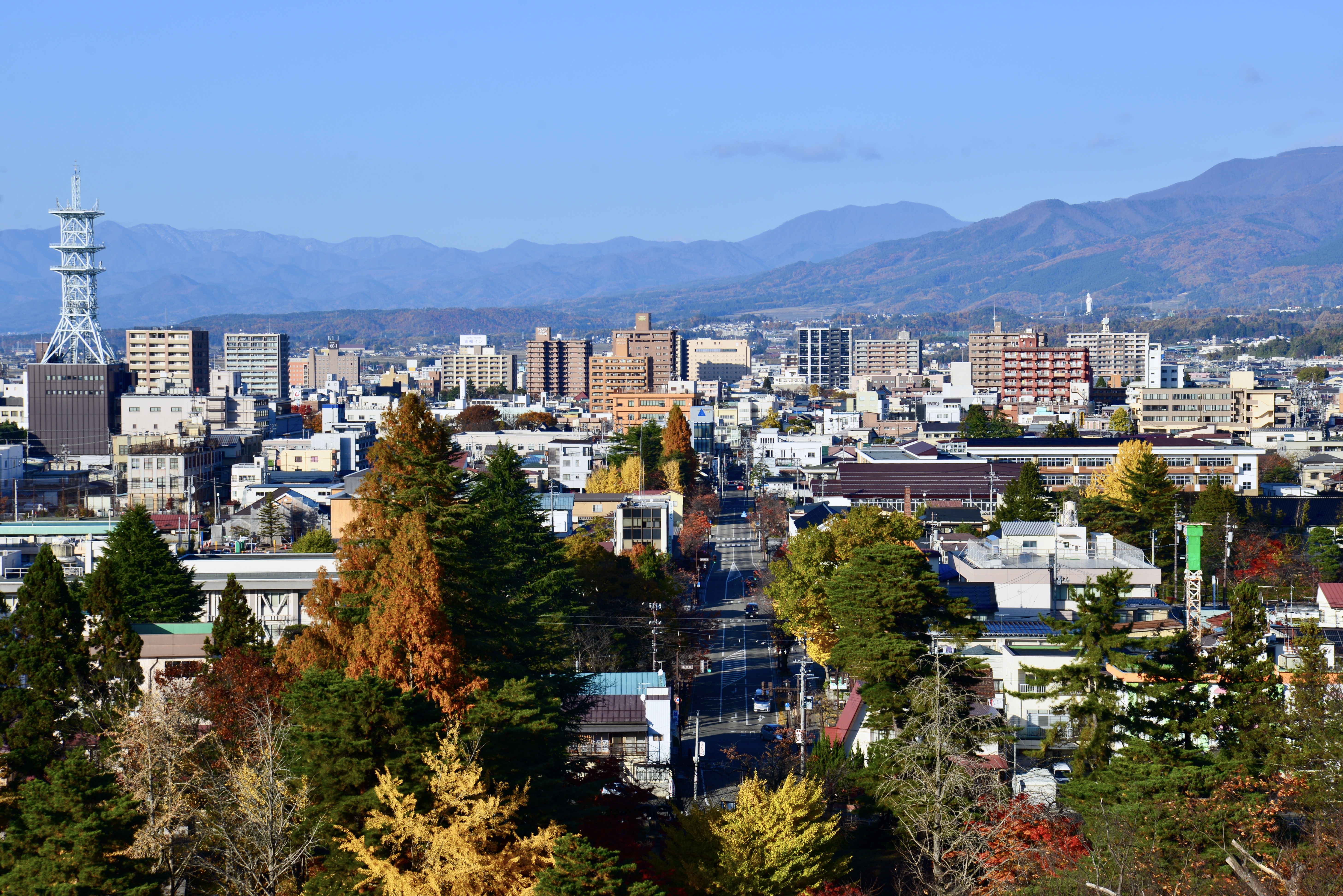
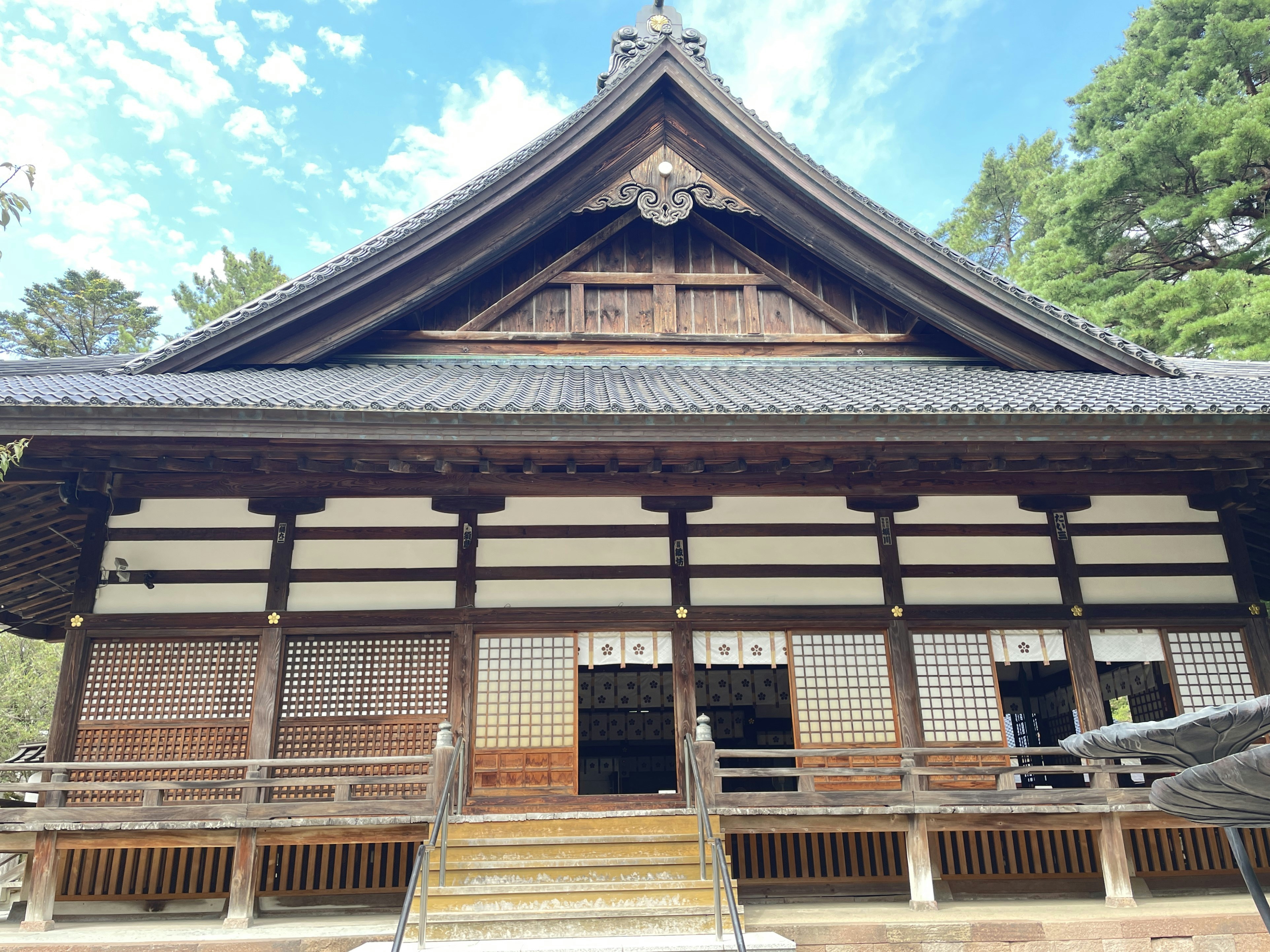
Right: Aizu-Wakamatsu
Takayama
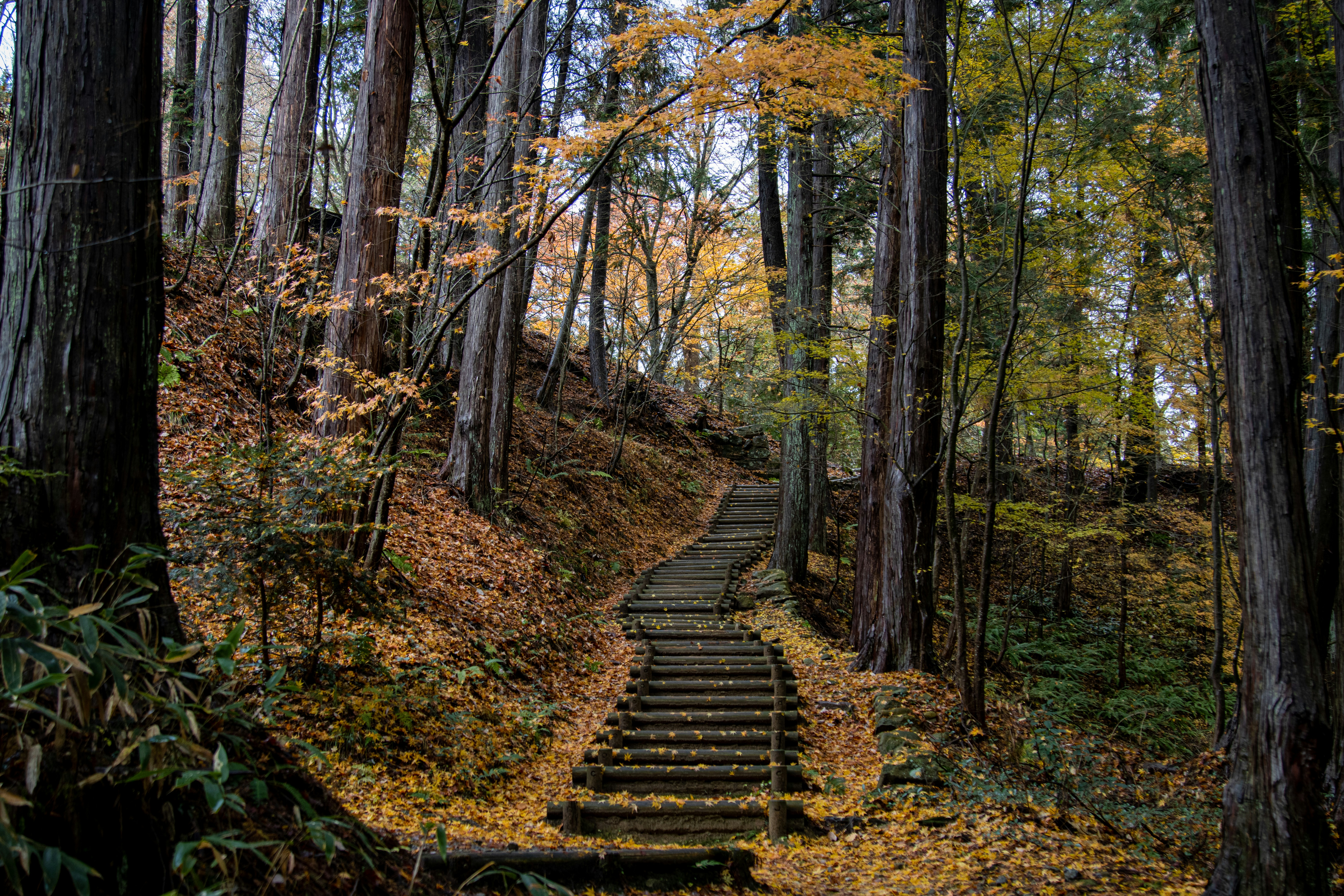
Nestled high in the Hida Mountains, Takayama is a beautifully preserved town that offers a glimpse into Japan’s rural past. Known for its traditional wooden merchant houses, this charming town is famous for the Takayama Festival, one of Japan’s most celebrated annual events, featuring intricate floats that date back hundreds of years. Beyond its festival, Takayama is a gateway to explore the nearby Hida region, famous for its high-quality Hida beef, rivaling even Kobe beef. In addition to its culinary offerings, the town boasts centuries-old sake breweries, where visitors can sample sake made from the pure waters of the mountains. With a picturesque old town, slow pace of life, and artisanal heritage, Takayama is a must-visit for those looking to escape the hustle of urban Japan.
Known for : Known for its well-preserved old town and artisan crafts, Takayama offers a deep dive into Hida culture. The Takayama Festival is a unique highlight, along with the town’s sake breweries and culinary specialty, Hida beef.
Tottori
Located along Japan’s western coastline, Tottori is famous for its sand dunes, a surreal desert-like landscape stretching along the Sea of Japan. These dunes, which shift with the winds, offer activities such as sandboarding, camel rides, and sunset viewing. Beyond its sand dunes, Tottori is home to Mount Daisen, a dormant volcano that provides excellent hiking trails and panoramic views. The region is also known for its Uradome Coast, a dramatic shoreline with clear blue waters and impressive rock formations, perfect for kayaking and snorkeling. Tottori is a seafood lover’s paradise, with fresh catches from the Sea of Japan featured in its cuisine. Despite its natural beauty, Tottori remains a relatively undiscovered gem, providing visitors with a peaceful retreat far from the crowds.
Known for : With its vast sand dunes and the majestic Mount Daisen, Tottori presents a rare blend of coastal and mountain adventures. The Uradome Coast and seafood delicacies are exclusive highlights of this tranquil region.
Best Time to Visit
Japan’s seasonal changes offer unique experiences depending on when you visit:
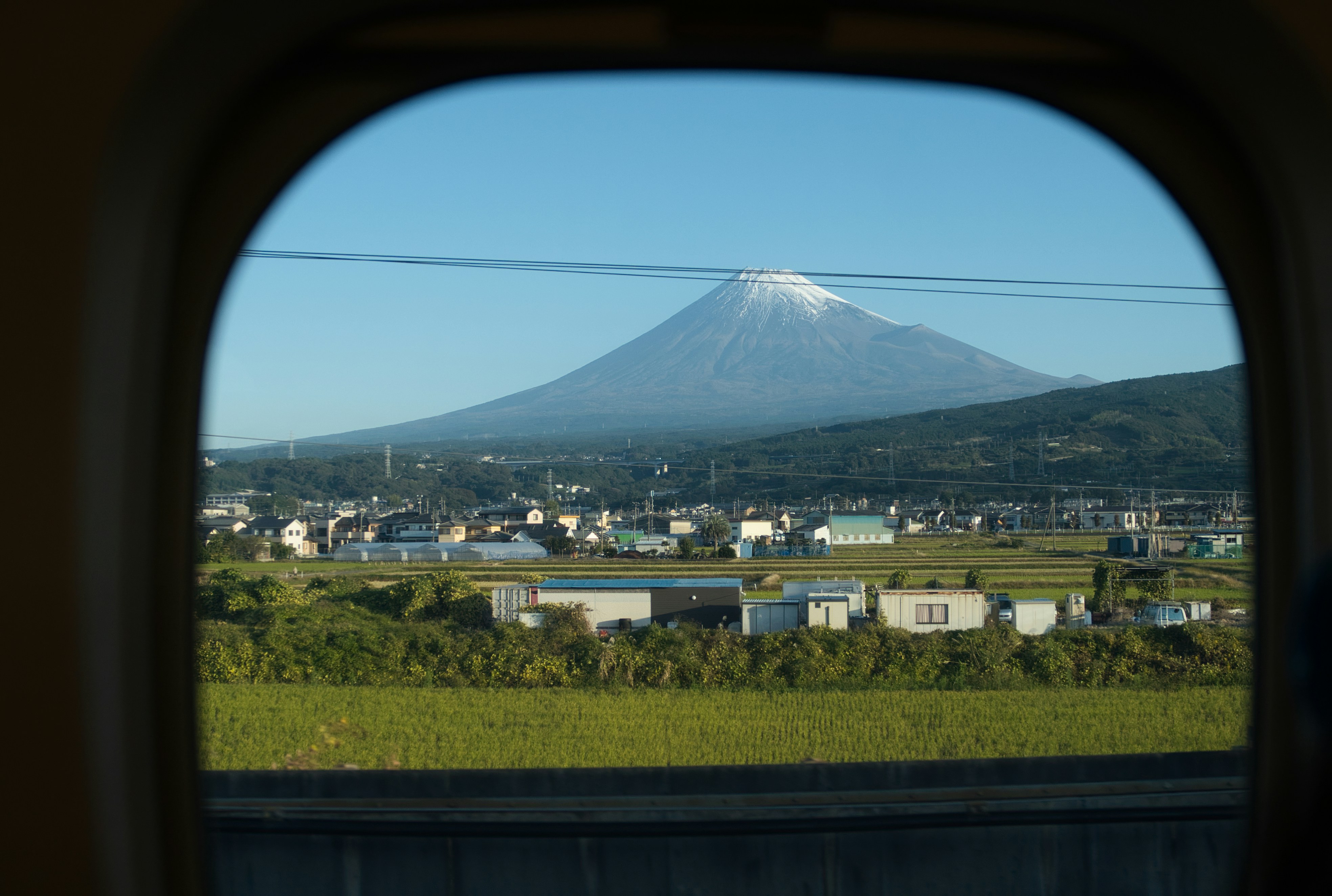
- Spring (March to May): Ideal for cherry blossoms, particularly in Kanazawa and Mount Fuji.
- Summer (June to August): Best for festivals, coastal towns like Tottori, and the lush landscapes of Shikoku.
- Autumn (September to November): Perfect for vibrant fall foliage in the Japanese Alps and the Iya Valley.
- Winter (December to February): Ideal for skiing in Tottori and experiencing snow-covered Shirakawa-go.
Right: Takayama – Hida Mountains
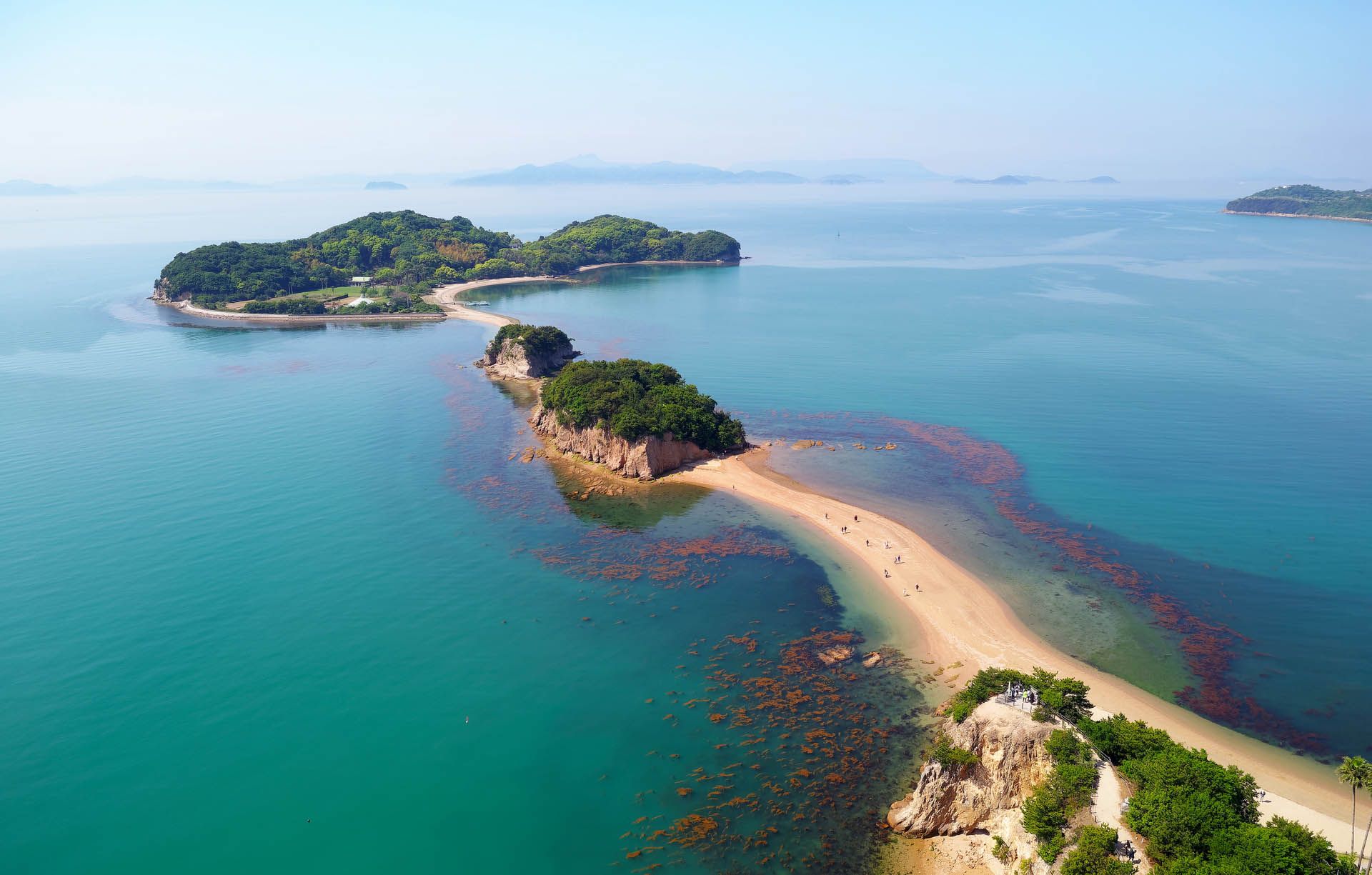
Shikoku Island
As Japan’s smallest and least-visited main island, Shikoku offers a spiritual and cultural journey unlike any other. Shikoku is best known for the 88-temple pilgrimage, a sacred route that attracts both religious devotees and adventurous travelers. This pilgrimage, established over 1,200 years ago, winds through forests, mountains, and quaint villages, making it a unique way to experience Japan’s spiritual heart. Apart from the pilgrimage, Shikoku is home to Iya Valley, a remote and rugged area known for its dramatic gorges, vine bridges, and unspoiled nature. The region’s remoteness and isolation give it a mystical quality, as if time has stood still. In addition, Shikoku boasts a distinct local culture, with traditions like Awa Odori (a lively dance festival) and culinary specialties such as Kagawa Udon drawing visitors year-round.
Known for : The 88-temple pilgrimage and the Iya Valley provide a deeply spiritual and natural experience that can’t be replicated elsewhere. Shikoku’s rich cultural traditions, like Awa Odori, make it a region where spirituality and festivity coexist.
Aizu-Wakamatsu
Situated in Fukushima Prefecture, Aizu-Wakamatsu is steeped in samurai history and traditional Japanese culture. The city played a pivotal role during the Boshin War, a civil war that shaped modern Japan. A visit to Tsuruga Castle, with its striking red roof and museum, is essential for understanding the region’s historical significance. The castle grounds are particularly beautiful during the cherry blossom season in spring and the vibrant autumn foliage. Beyond its samurai legacy, Aizu-Wakamatsu is famous for its high-quality sake production, thanks to the region’s pure mountain water and rice. Visitors can tour local sake breweries and enjoy tastings of the finest local brews. The nearby Ouchi-juku, a former post town with thatched-roof houses, offers a picturesque step back in time, making Aizu-Wakamatsu an excellent destination for history lovers and those seeking an authentic slice of rural Japan.
Known for : The samurai history and sake culture of Aizu-Wakamatsu set it apart as a region that values tradition and craftsmanship. With Tsuruga Castle as its centerpiece and Ouchi-juku offering a peek into Japan’s feudal past, Aizu-Wakamatsu is a historical treasure trove.
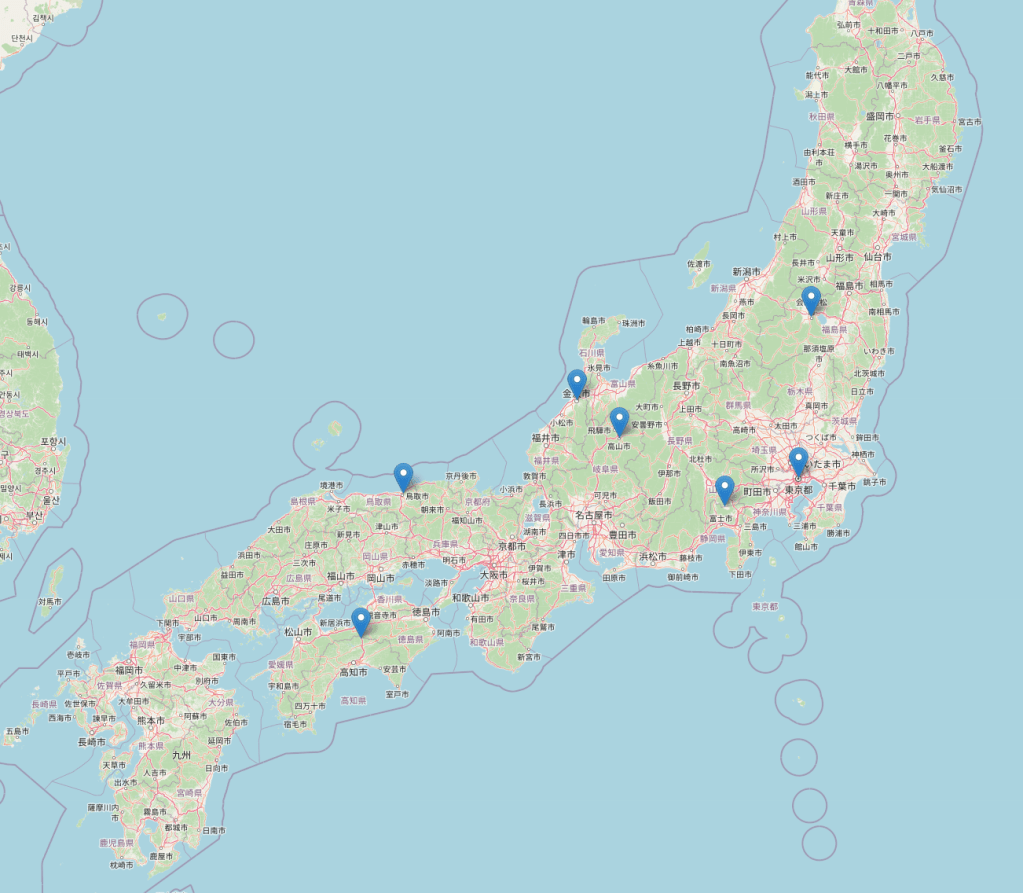
Explore Japan: 10 Days from Tokyo to Mount Fuji
 WANDERXPLORATION