
- How to Get There: The Gateway to Iceland
- The Best Time to Visit Reykjavik: Seasons of Wonder
- Things Unique to Reykjavik: What You’ll Only Find Here
- Things to Do in Reykjavik: A Fusion of Culture and Adventure
- Reasons to Visit Reykjavik: A City That Has It All
- Where to See the Northern Lights Near Reykjavik
- Final Thoughts: Why Reykjavik Should Be Your Next Destination
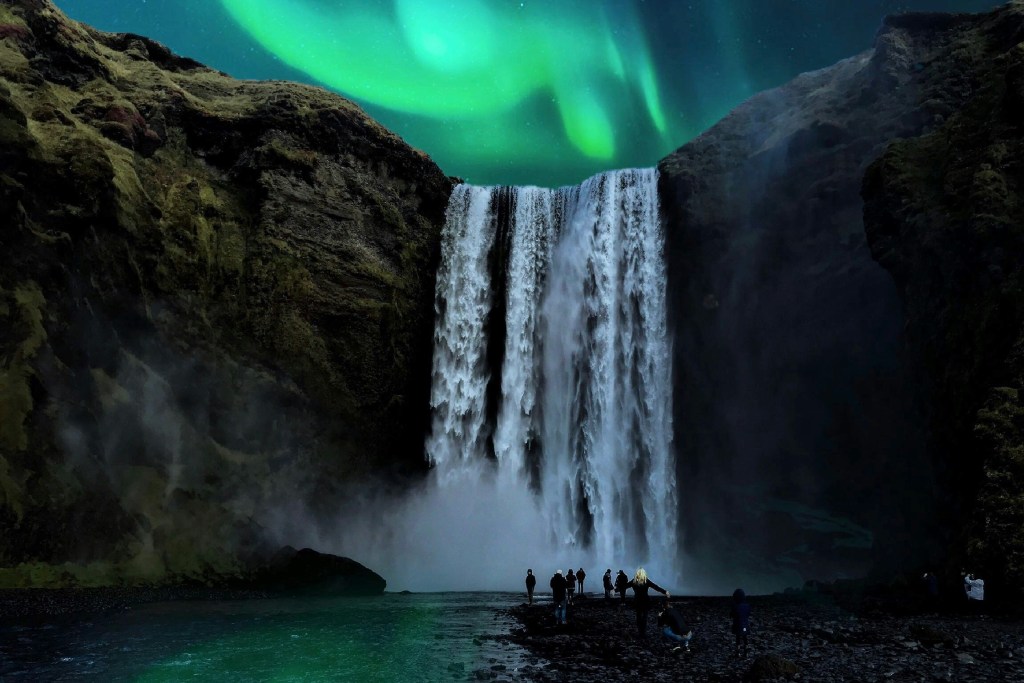
Reykjavik, Iceland’s capital, is not just a city—it’s a gateway to a world where nature’s raw beauty and human creativity coexist in harmony. Despite being one of the smallest capitals in Europe, Reykjavik feels larger than life due to its dramatic surroundings. Volcanic landscapes, geothermal springs, and views of snow-capped mountains provide a stunning contrast to the vibrant, artistic, and innovative city center. Here, you can immerse yourself in a city filled with colorful houses, striking modern architecture, and a deep sense of history and culture—all while being just minutes away from outdoor adventures.
Reykjavik offers an eclectic mix of attractions, from geothermal pools and Viking museums to whale watching and Northern Lights hunting. Whether you’re an adventure seeker, history buff, or someone looking to relax and soak in the unique atmosphere, Reykjavik promises an unforgettable experience. In this guide, we’ll walk you through everything you need to know about planning your perfect trip to Reykjavik—from how to get there, the best time to visit, and must-see attractions to hidden gems you can only experience in Iceland.
How to Get There: The Gateway to Iceland
Despite its remote location in the North Atlantic, getting to Reykjavik is relatively straightforward. Keflavik International Airport (KEF), located about 45 minutes from the city, serves as Iceland’s main international hub. The airport welcomes direct flights from many major cities in Europe, North America, and beyond, making Reykjavik an easily accessible destination for travelers worldwide.
- From North America: Flights from major cities like New York, Boston, Toronto, and Seattle typically take between 5 and 7 hours. Airlines like Icelandair and PLAY offer direct routes, and Icelandair’s unique Stopover program allows travelers to stay in Iceland for a few days en route to Europe at no additional airfare cost.
- From Europe: Reykjavik is even closer to European destinations, with flights from London, Paris, and Berlin taking around 3-4 hours. Low-cost carriers like easyJet, Wizz Air, and Ryanair provide budget-friendly options in addition to national airlines.
- From Asia and other continents: Travelers from farther afield can often find connecting flights through Europe, with convenient layovers in cities like Copenhagen, Amsterdam, or Frankfurt.
Once you land at Keflavik International Airport, getting to Reykjavik is easy. The Flybus shuttle service operates regular transfers between the airport and Reykjavik’s main bus terminal. The journey takes about 45 minutes and offers the option of door-to-door service at most hotels. Alternatively, you can rent a car or take a taxi, though the Flybus remains the most convenient and cost-effective option for many travelers.
The Best Time to Visit Reykjavik: Seasons of Wonder
Iceland’s seasons each bring a unique atmosphere to Reykjavik, offering different reasons to visit depending on what type of experience you’re seeking.
- Winter (November to March): Winter in Reykjavik is magical. The city turns into a winter wonderland with snow-dusted streets, cozy cafes, and the chance to witness the breathtaking Northern Lights. While the days are short, with just a few hours of daylight, this darkness provides the perfect backdrop for aurora hunting. Additionally, Reykjavik’s many thermal pools, including the Blue Lagoon, are particularly enjoyable when surrounded by snow. Be prepared for cold temperatures, though they tend to be milder than you might expect, with the coastal climate keeping the city warmer than other locations at similar latitudes.
- Spring (April to May): Spring is when Reykjavik starts to wake up from its long winter slumber. The days grow longer, and the city’s parks and surrounding landscapes begin to bloom. This season offers a quieter, less touristy experience compared to summer, and you may still catch glimpses of the Northern Lights early in the season. Spring is also an excellent time for whale watching as migratory species return to Icelandic waters.
- Summer (June to August): If you’re seeking endless days of adventure, summer is the best time to visit Reykjavik. The Midnight Sun gives you nearly 24 hours of daylight, making it possible to explore non-stop. This is the season for outdoor activities like hiking, horseback riding, and road trips around Iceland’s Ring Road. Summer also brings a vibrant festival scene to Reykjavik, including Iceland’s National Day in June and the Reykjavik Arts Festival. The weather is mild, though layers are still necessary as temperatures can range between 50-60°F (10-15°C).
- Autumn (September to October): Autumn is a wonderful time to visit Reykjavik if you prefer fewer crowds and cooler temperatures. The fall foliage adds an extra layer of beauty to the city’s surroundings, and this is also the start of the Northern Lights season. The days are still long enough to enjoy outdoor adventures, but the cooler temperatures and quieter atmosphere create a more relaxed experience.
Each season in Reykjavik has its charm, so the best time to visit depends on your preferences. Whether it’s chasing the Northern Lights in winter or hiking under the Midnight Sun in summer, Reykjavik promises an unforgettable experience no matter when you go.
Things Unique to Reykjavik: What You’ll Only Find Here
Reykjavik offers experiences and sights that are entirely unique to Iceland, making it unlike any other capital city in the world.
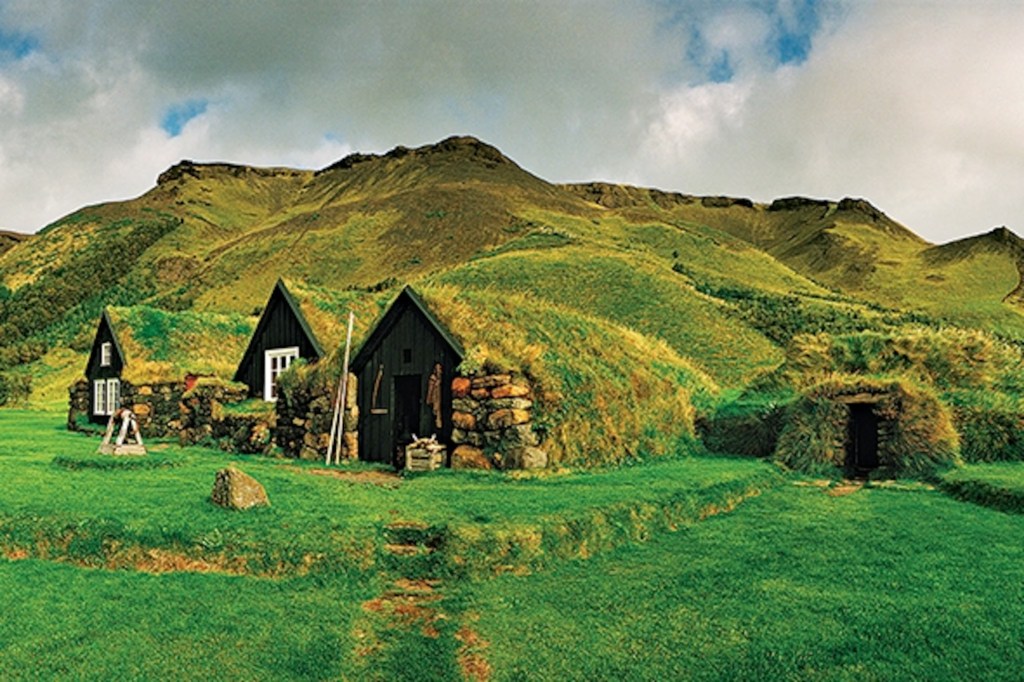
- Elf and Troll Folklore: Icelanders have a deep-rooted belief in elves, trolls, and other hidden people, and Reykjavik embraces this folklore. You can take guided tours that delve into the legends, and you’ll even find small elf houses dotting gardens and public spaces throughout the city. This belief is a testament to Icelanders’ connection with nature and their respect for the unseen forces that are said to inhabit it.
- Icelandic Hot Dogs: Reykjavik is home to Bæjarins Beztu Pylsur, a small hot dog stand that has gained international fame. Icelandic hot dogs are made with a blend of lamb, pork, and beef, and are topped with crispy onions, remoulade, and sweet mustard. Even celebrities like Bill Clinton have stopped by for a taste!

- Geothermal Energy Everywhere: Reykjavik is one of the greenest cities in the world, thanks to its reliance on geothermal energy. You’ll notice that many of the city’s sidewalks are heated to prevent ice in winter, and homes are warmed using the earth’s natural heat. It’s a subtle but fascinating aspect of Reykjavik’s infrastructure.
- Midnight Sun and Polar Nights: Depending on when you visit, you’ll either experience nearly 24 hours of daylight or long, dark winter nights. Both are magical in their own way—the Midnight Sun allows for endless exploration, while the polar nights provide the perfect conditions for viewing the Northern Lights.
Things to Do in Reykjavik: A Fusion of Culture and Adventure
Reykjavik offers a mix of urban experiences and nature-infused adventures, making it a unique destination where you can fill your days with both exploration and relaxation. Here are some of the top things to do during your visit:
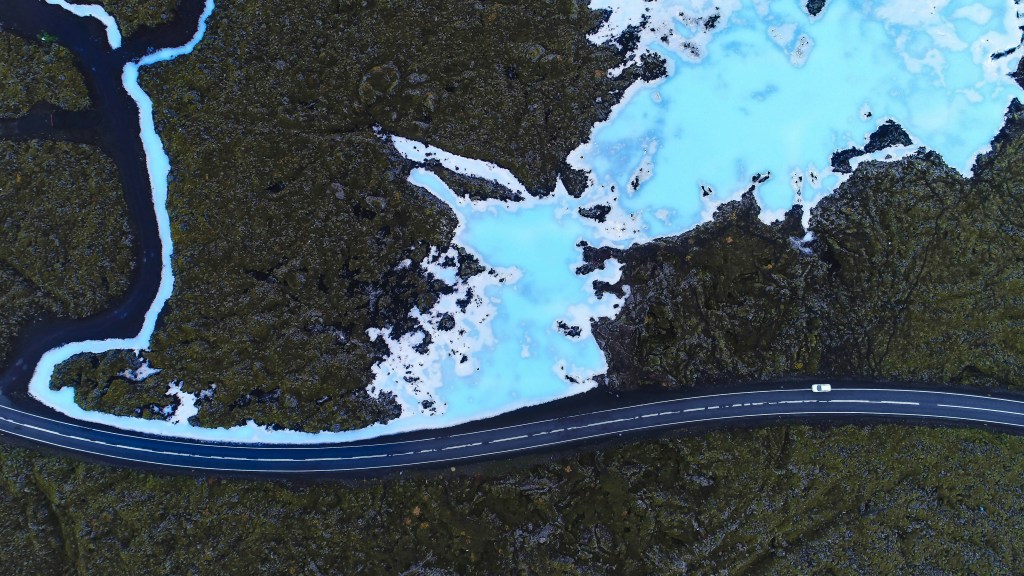
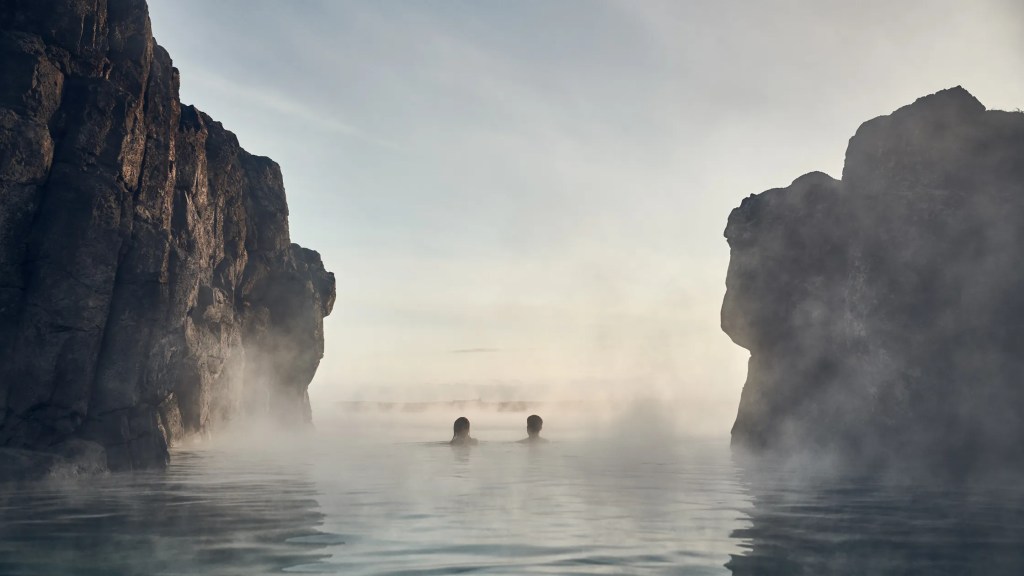
Blue Lagoon: While technically located outside Reykjavik, the Blue Lagoon is an easy day trip and one of Iceland’s most famous attractions. The geothermal spa’s milky blue waters, rich in minerals like silica and sulfur, are said to have healing properties. Relaxing in the warm waters while surrounded by black lava fields is a surreal experience you won’t forget.
Explore the Old Harbor District: Reykjavik’s Old Harbor is the starting point for many marine adventures, including whale watching and puffin tours. The area is also home to the Reykjavik Maritime Museum, art galleries, and some of the city’s best seafood restaurants. It’s a great place for a leisurely stroll with views of the mountains and sea.
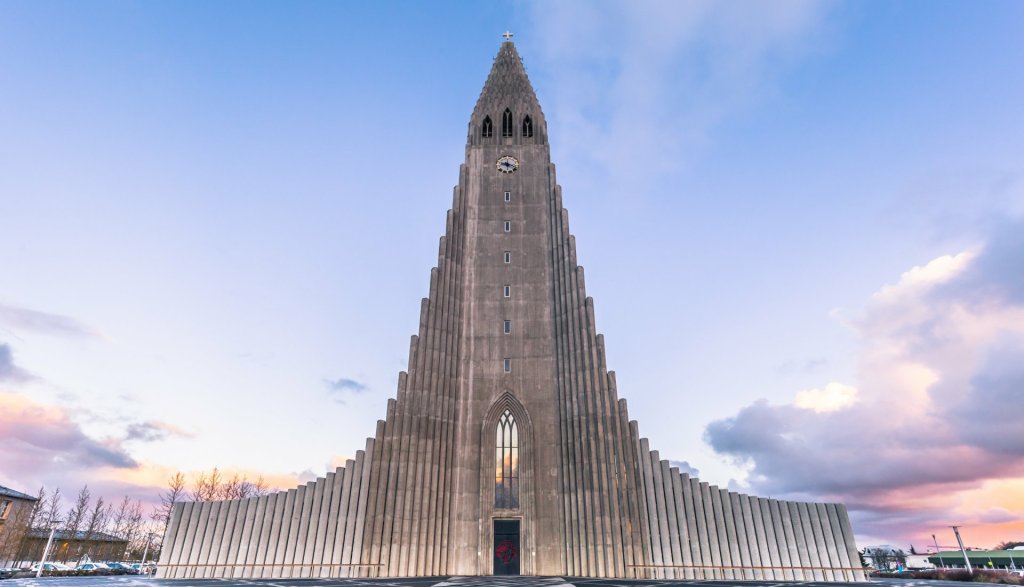
Hallgrímskirkja Church: One of Reykjavik’s most iconic landmarks, Hallgrímskirkja is a striking piece of modern architecture. Its design is inspired by Iceland’s basalt lava flows, and the tower offers incredible panoramic views of the city. The church’s organ is equally impressive, and if you’re lucky, you might catch a live performance.
Harpa Concert Hall: This stunning glass building on the waterfront is a masterpiece of design and a hub for Reykjavik’s cultural life. Harpa hosts concerts, operas, and conferences, but even if you don’t attend a show, it’s worth visiting just to admire the architecture and enjoy the views of the harbor.
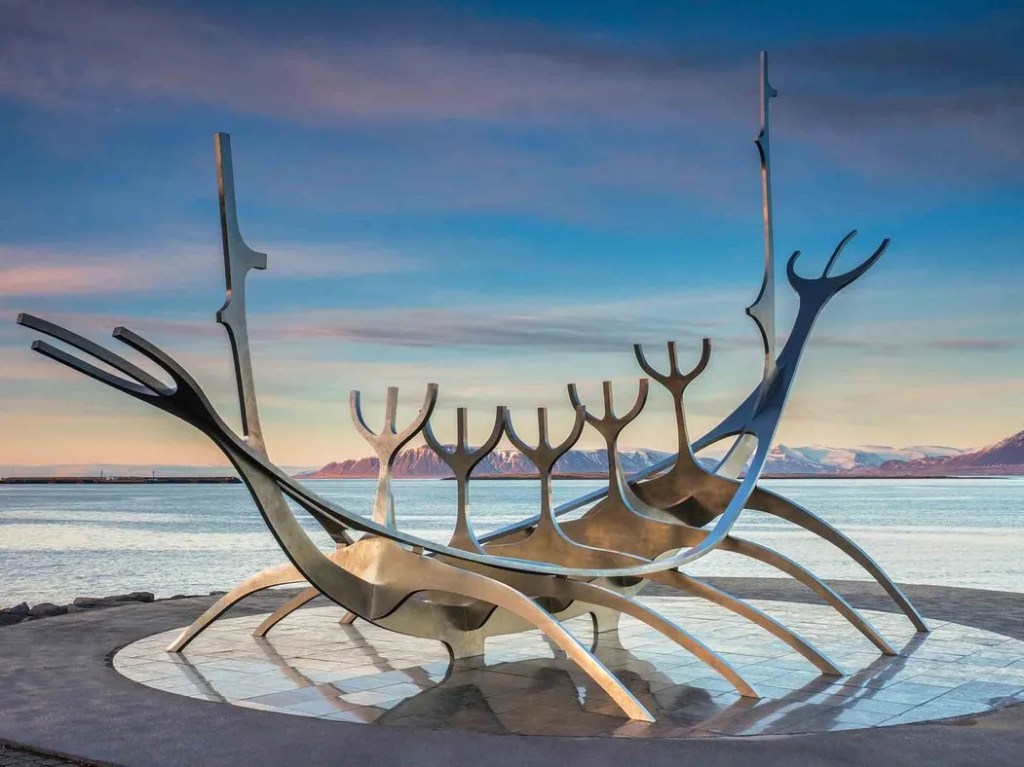
Sun Voyager Sculpture: Situated along Reykjavik’s scenic coastline, the Sun Voyager is a steel sculpture that represents a dream of hope, progress, and freedom. Its location offers breathtaking views, especially at sunset or during the Northern Lights season.
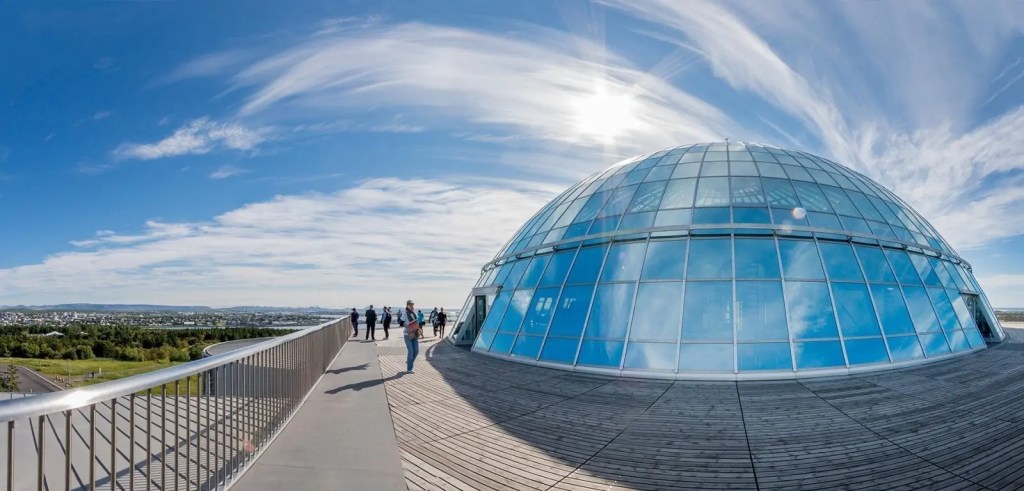
Perlan Museum and Observation Deck: Perched on Öskjuhlíð Hill, Perlan is a museum dedicated to Iceland’s natural wonders. It features interactive exhibits on glaciers, volcanoes, and geothermal energy. Don’t miss the observation deck, which offers one of the best panoramic views of Reykjavik and the surrounding landscapes.
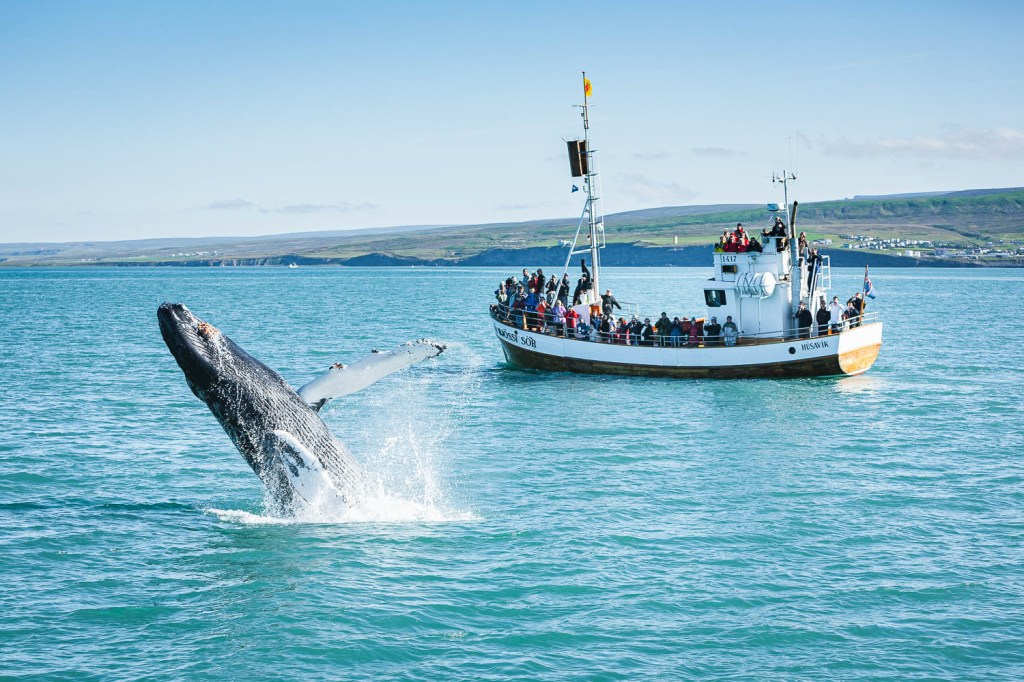
Whale Watching and Puffin Tours: Reykjavik is one of the best places in the world for whale watching, with several species frequently spotted, including minke and humpback whales. Puffin tours are also popular in summer, offering a chance to see these charismatic birds up close.
Visit Reykjavik’s Thermal Pools: Icelanders are passionate about their public thermal pools, and Reykjavik has several that are worth visiting. Laugardalslaug is the largest, with outdoor pools, hot tubs, steam baths, and even a water slide. Soaking in the geothermal waters is a quintessential Icelandic experience, and a great way to unwind after a day of exploring.
Reykjavik Art Museum: For art lovers, this museum showcases both contemporary Icelandic and international art. It’s spread across three locations, each offering a unique perspective on Reykjavik’s dynamic art scene.
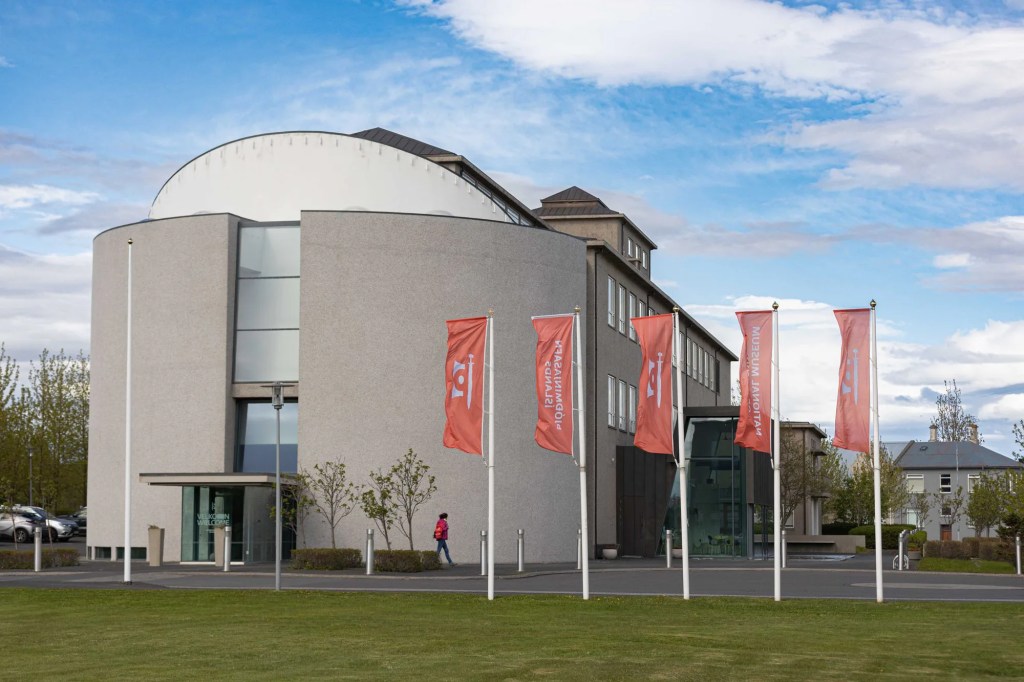
The National Museum of Iceland: Dive into Iceland’s fascinating history at this museum, which covers everything from the Viking settlement to modern-day Icelandic culture. The exhibits are engaging and informative, making it a must-visit for anyone interested in Iceland’s heritage.
Reasons to Visit Reykjavik: A City That Has It All
- Nature at Your Doorstep: Reykjavik is surrounded by natural beauty, from the mountains and sea to the geothermal landscapes just outside the city. Whether you’re an avid hiker, a wildlife enthusiast, or simply someone who appreciates breathtaking scenery, Reykjavik offers easy access to some of the world’s most stunning natural wonders.
- A Blend of History and Innovation: Reykjavik manages to feel both ancient and modern at the same time. Viking history is deeply embedded in the city, but there’s also a forward-thinking, innovative spirit that permeates its architecture, arts, and culture.
- Unique Experiences: From soaking in geothermal pools to dining on local delicacies like fermented shark and lamb stew, Reykjavik offers experiences you won’t find anywhere else. And, of course, there’s always the chance to see the Northern Lights or bask in the glow of the Midnight Sun.
- A Friendly, Safe City: Reykjavik is one of the safest capitals in the world, with a small-town feel despite its cosmopolitan flair. The locals are friendly and welcoming, always happy to share their culture and stories with visitors.

Where to See the Northern Lights Near Reykjavik
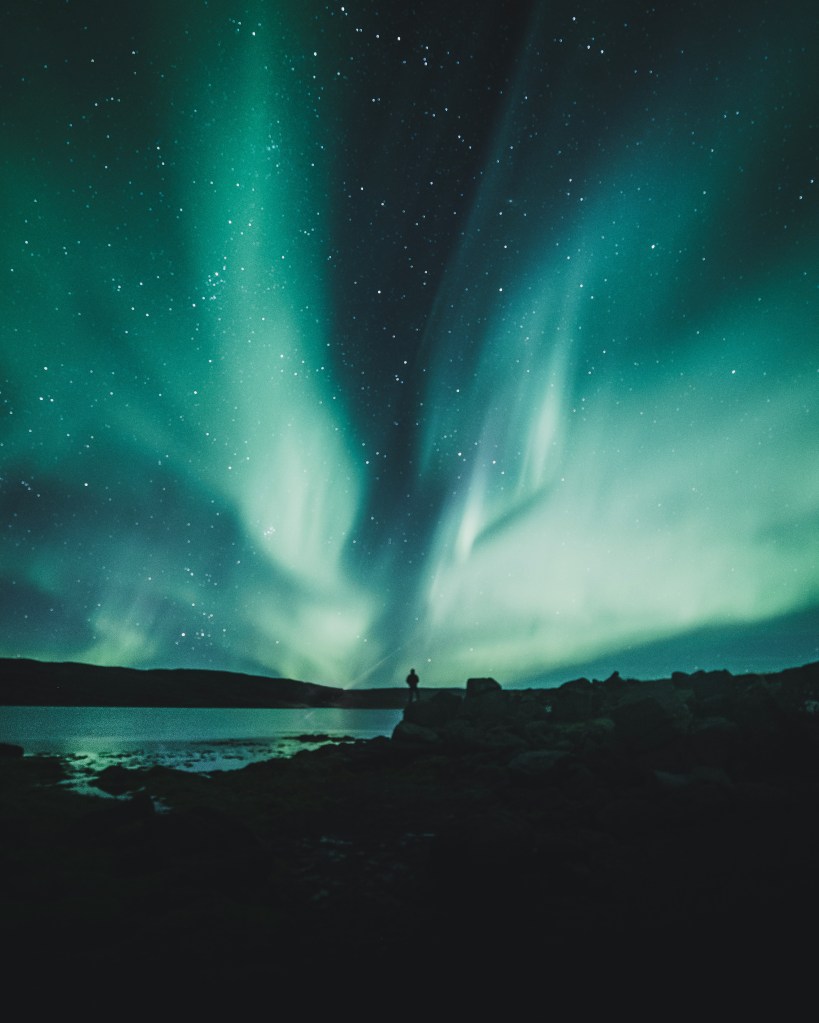
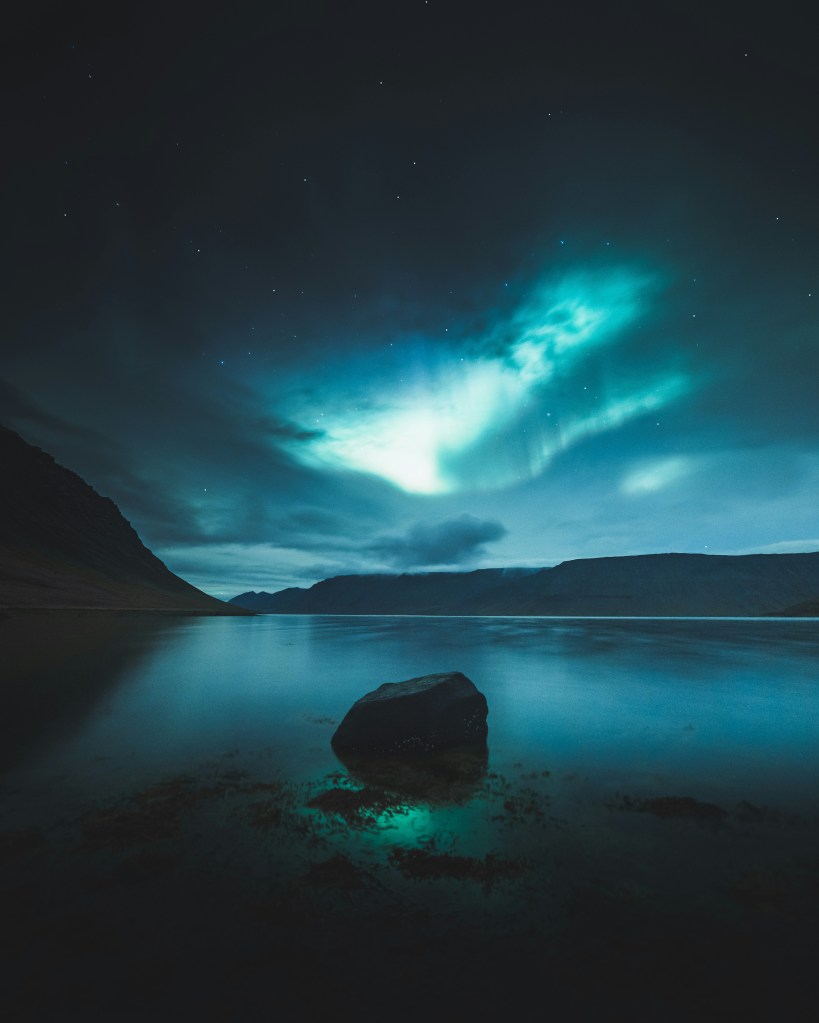
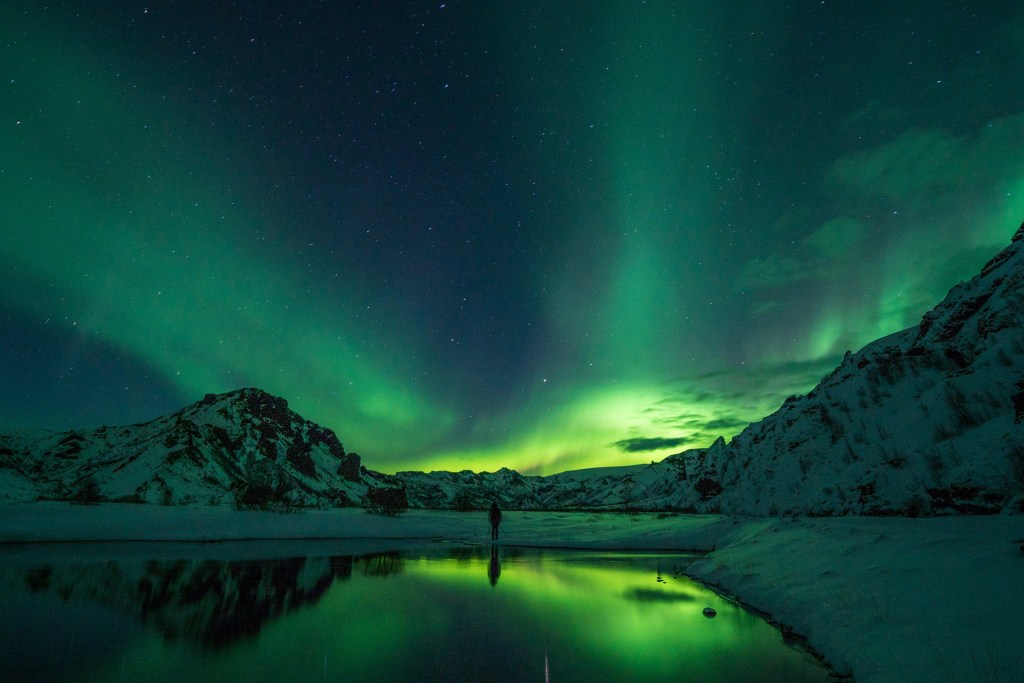
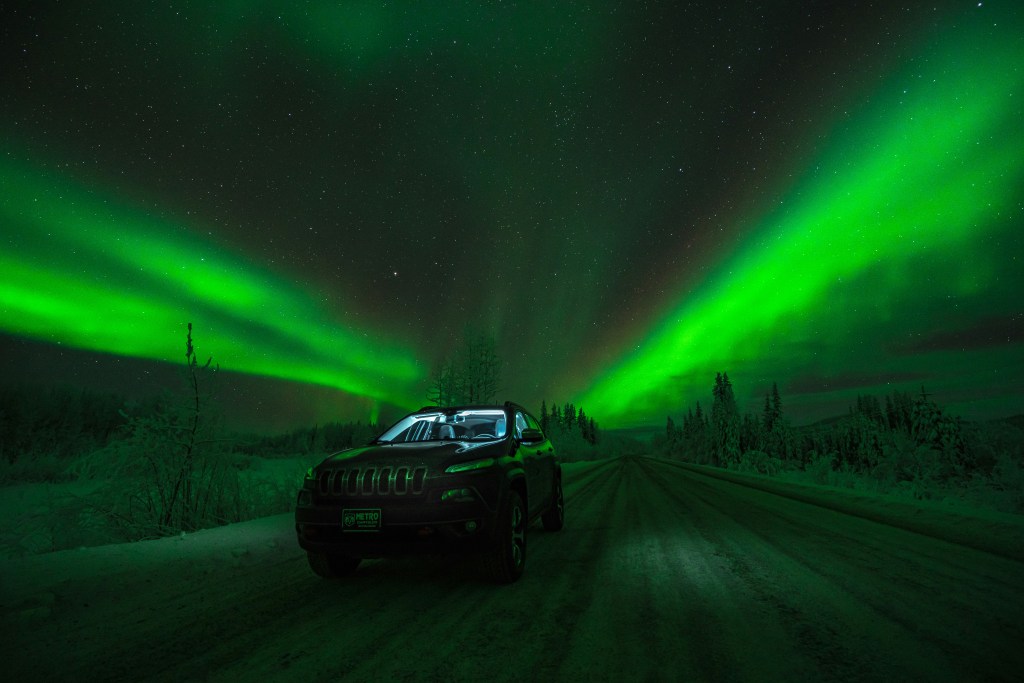
One of the most magical experiences to have in Iceland is witnessing the Aurora Borealis, commonly known as the Northern Lights. Reykjavik itself can be a good place to spot them, but to increase your chances of seeing this natural phenomenon, it’s better to head out of the city where the light pollution is minimal.
Best Places Near Reykjavik to See the Northern Lights
- Grotta Lighthouse
- Distance from Reykjavik: 10 minutes by car
- How to Get There: You can drive or take a bus (Bus Line 11) to the Seltjarnarnes Peninsula, where the lighthouse is located.
- Why Visit: Grotta is close to Reykjavik but far enough from the city lights to provide a great spot for Aurora viewing. The lighthouse and surrounding coastline make for a scenic backdrop, especially if you’re lucky enough to capture the lights reflected in the water.
- Thingvellir National Park
- Distance from Reykjavik: 40-45 minutes by car
- How to Get There: Driving is the best option, as there is no direct public transport to Thingvellir. You can also join Northern Lights tours that stop here.
- Why Visit: Thingvellir is part of the Golden Circle and is a UNESCO World Heritage site. It’s an excellent location for Northern Lights viewing because of its open skies and minimal light pollution. The dramatic landscapes of the park add to the experience.
- Hvalfjörður (Whale Fjord)
- Distance from Reykjavik: 45 minutes by car
- How to Get There: Drive along Route 1 (the Ring Road) and turn onto Route 47. This is a less-traveled area, so public transport is not an option.
- Why Visit: Hvalfjörður is a peaceful, remote fjord known for its stunning scenery and low light pollution, making it an ideal spot for watching the Northern Lights. The reflection of the Aurora in the fjord’s waters creates an unforgettable view.
- Reykjanes Peninsula
- Distance from Reykjavik: 1 hour by car
- How to Get There: Driving is the best way to reach remote areas of the Reykjanes Peninsula, although some guided tours are available.
- Why Visit: The peninsula offers a rugged landscape with geothermal activity, volcanic craters, and minimal artificial light. It’s far enough from Reykjavik that you can enjoy a dark sky and an uninterrupted view of the Northern Lights.
- Öskjuhlíð Hill and Perlan Museum
- Distance from Reykjavik: 5 minutes by car, 20 minutes walking
- How to Get There: It’s easy to reach by car or on foot from Reykjavik city center.
- Why Visit: Though technically within Reykjavik, Öskjuhlíð Hill is one of the city’s highest points. It’s a lesser-known spot for viewing the Northern Lights, but its proximity to the city and slightly elevated position can give you a decent view if the lights are strong.
Best Time to See the Northern Lights
- Best Season: The ideal time to see the Northern Lights is during Iceland’s winter months, from late September to early April. During this period, the long, dark nights provide the best conditions for seeing the Aurora.
- Best Time of Night: The best time to catch the Northern Lights is generally between 9:00 PM and 2:00 AM, though they can appear at any time when the sky is clear and dark enough.
How to Get to Northern Lights Spots
- By Car:
- Renting a car is the most flexible option, allowing you to escape the city lights at your convenience and chase the Northern Lights. Many of the best viewing spots are in remote areas, where public transport isn’t available.
- You can rent a car from several providers in Reykjavik or at Keflavik International Airport.
- Public Transport:
- While some spots like Grotta Lighthouse are accessible by public buses, the more remote and darker areas such as Thingvellir National Park and Hvalfjörður require a car or joining an organized tour.
- Guided Tours:
- There are many Northern Lights tours departing from Reykjavik, where guides will take you to the best locations based on the night’s conditions. These tours often include pick-up and drop-off, so you don’t need to worry about transportation.
By choosing one of these spots and visiting at the right time of year, you greatly increase your chances of experiencing the Northern Lights, a once-in-a-lifetime event that will stay with you forever.
Final Thoughts: Why Reykjavik Should Be Your Next Destination
Reykjavik is more than just a stopover on your way to Iceland’s otherworldly landscapes. It’s a city that offers a perfect blend of adventure, culture, and relaxation. Whether you’re exploring the city’s historic sites, diving into its thriving arts scene, or using it as a base to explore the country’s natural wonders, Reykjavik promises an experience unlike any other
 WANDERXPLORATION