A Hidden Nordic Gem for the Ultimate Adventure
- Getting to the Faroe Islands: From Nearby Countries and Beyond
- 7-10 Day Faroe Islands Adventure Itinerary
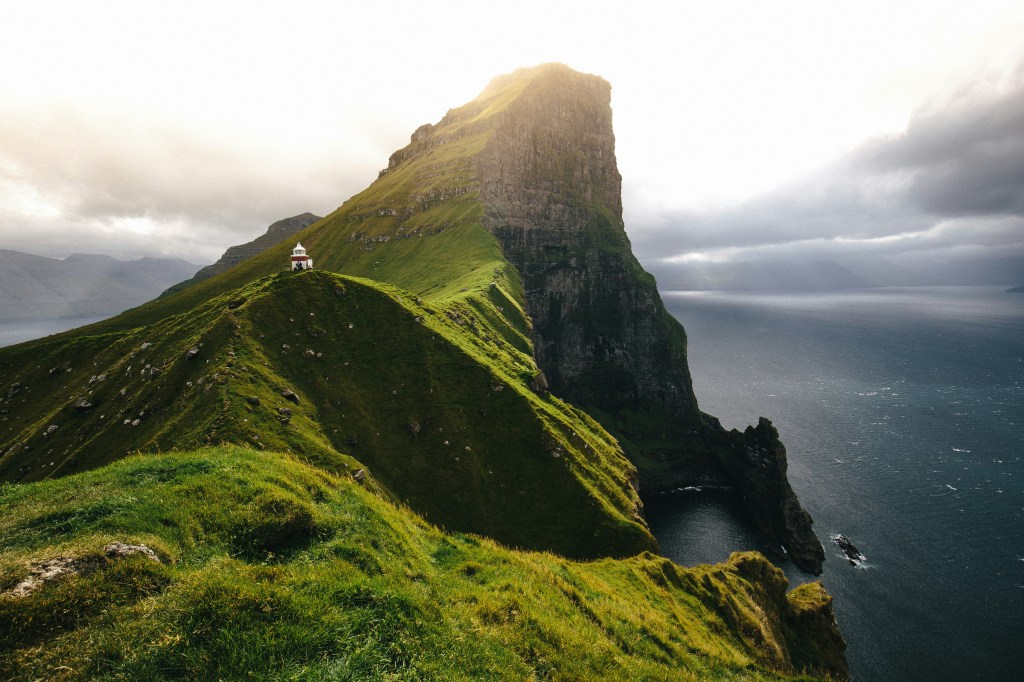
Tucked away in the North Atlantic between Norway and Iceland, the Faroe Islands offer an experience unlike any other. This remote archipelago of 18 volcanic islands is a haven for those looking to escape the crowds and dive into nature’s raw beauty. Think jagged cliffs dropping into the sea, puffins fluttering overhead, and waterfalls cascading directly into the ocean. It’s not just the landscape that’s captivating, though. The Faroes are steeped in rich cultural traditions, from their distinctive wool products to village life that’s remained unchanged for centuries. If you’re looking for an off-the-beaten-path adventure, the Faroe Islands are where wanderlust meets wilderness.
Getting to the Faroe Islands: From Nearby Countries and Beyond
Despite their remote location, getting to the Faroe Islands is easier than you might expect. Whether you’re traveling from Europe or further afield, the Faroe Islands are accessible by both air and sea.
By Air:
- From Copenhagen, Denmark: Copenhagen is the primary gateway to the Faroes. Atlantic Airways, the national airline, offers several direct flights a week from Copenhagen to Vágar Airport (the only airport in the Faroe Islands). The flight takes about two hours, making it the quickest route.
- From Reykjavik, Iceland: There are regular flights from Reykjavik to Vágar Airport. The flight is around 90 minutes, and it’s an ideal option if you’re combining a trip to Iceland with the Faroes.
- From Edinburgh, Scotland: Direct flights are available from Edinburgh, making it a convenient option for travelers from the UK. The flight takes about an hour and a half.
- From other European cities: There are also seasonal flights from several other cities, including Paris and Oslo. These vary depending on the time of year, so it’s worth checking schedules in advance.
By Sea:
- From Denmark: The Smyril Line ferry operates a route between Hirtshals, Denmark, and Tórshavn, the capital of the Faroe Islands. This journey takes around 36 hours, but it’s a scenic way to approach the islands, passing through the dramatic North Atlantic waters.
Once on the islands, renting a car is the best way to explore, as public transport is limited outside the main towns. Many of the islands are connected by bridges and undersea tunnels, making travel between them easy.
Reasons to Visit the Faroe Islands
- Unspoiled Nature: The Faroe Islands are one of the most pristine destinations in the world. With untouched landscapes, the islands are ideal for hiking, birdwatching, and nature photography.
- Adventure Activities: From cliff-side hikes to sea kayaking, the islands offer plenty of outdoor activities for adventure seekers.
- Unique Wildlife: The islands are a birdwatcher’s paradise, with puffins, gannets, and other seabirds flocking here. Whale watching is also popular, as the waters around the Faroes are home to pilot whales, orcas, and dolphins.
- Traditional Faroese Culture: Experience the Faroese way of life by visiting small villages, learning about the islands’ wool-making traditions, and tasting local delicacies like fermented lamb and fresh fish.
- Seclusion and Tranquility: The Faroes’ isolation from the rest of the world creates a peaceful environment for travelers looking to escape the crowds. With limited tourists, you’ll often find yourself alone in the wild, soaking in the beauty of nature.
Best Time to Visit the Faroe Islands
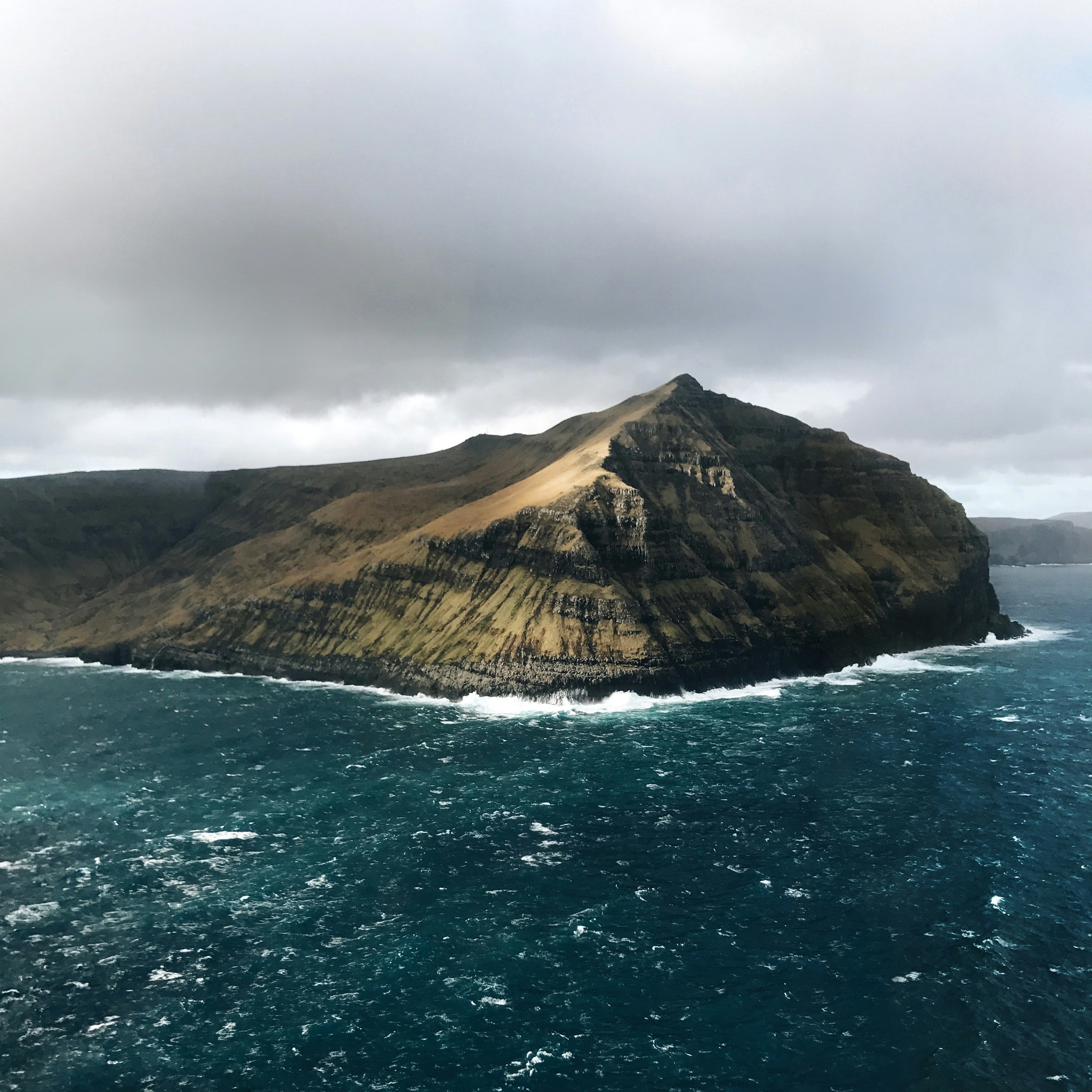
The Faroe Islands have a maritime subarctic climate, which means the weather can be unpredictable and changes rapidly. That said, each season offers its own unique charm, depending on what you’re hoping to experience.
- Summer (June to August): This is the most popular time to visit, as the days are long, temperatures are mild (around 10-13°C), and the landscapes are lush and green. Summer also offers the best chances for hiking and birdwatching, particularly for puffin spotting on Mykines Island.
- Spring (April to May): Spring is quieter but equally beautiful, with wildflowers beginning to bloom. Temperatures are still cool, but the islands are less crowded, making it a great time for photography and solitude.
- Autumn (September to October): For those seeking a dramatic experience, autumn brings wild weather and stormy seas. It’s an excellent time for adventurous travelers who want to see the islands at their rawest.
- Winter (November to March): Winters are cold, with temperatures hovering around 0-5°C, and daylight is limited. However, it’s a magical time for those hoping to witness the Northern Lights, as the islands’ remote location offers minimal light pollution.
What Makes the Faroe Islands So Special?
The Faroe Islands are a treasure trove of natural beauty, cultural richness, and rare wildlife. But what really sets them apart is their ability to feel untouched by time. Unlike more commercialized destinations, the Faroe Islands maintain an authentic, rugged charm. The combination of towering cliffs, green pastures, and vast ocean vistas create a sense of isolation that allows you to truly disconnect from the modern world.
In addition to the landscapes, Faroese culture is deeply rooted in its Viking history, and the people of the Faroe Islands still live in close connection to the land and sea. You’ll find that local life revolves around fishing, farming, and traditional craftsmanship, and their hospitality makes visitors feel like part of the community.
What to Do in the Faroe Islands: From Top Attractions to Hidden Gems
1. Tórshavn: The World’s Smallest Capital Start your journey in Tórshavn, the Faroe Islands’ capital and one of the smallest capitals in the world. Despite its size, Tórshavn is a charming city with colorful houses, cobbled streets, and a bustling harbor. Be sure to visit:
- Tinganes: The historic district with red wooden buildings, where the Faroese government is located. This area dates back to the Viking era.
- Skansin: A fortress built in the 16th century to defend against pirate raids. Climb to the top for views of the harbor and neighboring islands.
- Nordic House: A cultural center hosting concerts, exhibitions, and events showcasing Faroese art and culture.
2. Hiking and Outdoor Adventures The Faroe Islands are a hiker’s paradise, with numerous trails offering breathtaking views. Some of the best hikes include:
- Sørvágsvatn Lake: Also known as Leitisvatn, this is the largest lake in the Faroes, perched atop cliffs overlooking the sea. The optical illusion created by the lake and the ocean is a must-see.
- Mykines Island: A popular spot for puffin watching and home to some of the most rugged, isolated landscapes in the Faroes. The hike to the Mykines lighthouse offers stunning views.
- Slættaratindur: The highest peak in the Faroes, this hike rewards climbers with panoramic views of the surrounding islands.
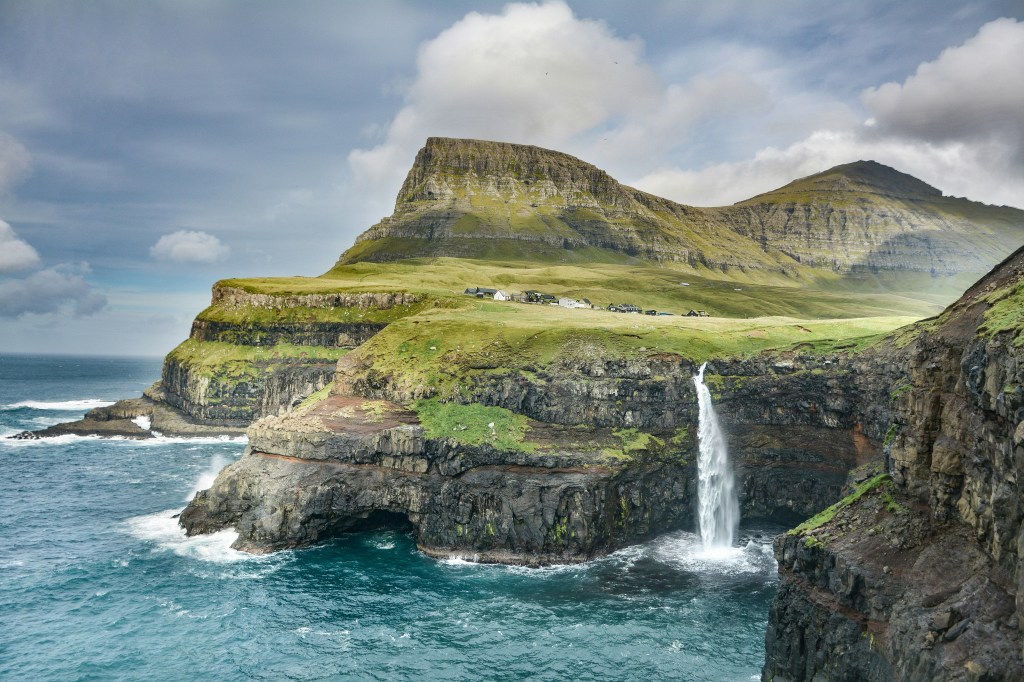
3. Múlafossur Waterfall One of the most iconic images of the Faroe Islands, Múlafossur is a waterfall that plunges directly into the sea. Located in the village of Gásadalur, the waterfall is easily accessible by car or on foot.
4. Kallur Lighthouse on Kalsoy Island Take the ferry to Kalsoy Island and hike to the Kallur Lighthouse. The path is relatively easy, and the views of the lighthouse perched on the edge of a dramatic cliff are some of the most scenic in the Faroes.
5. Saksun and Tjørnuvík These two picturesque villages on Streymoy Island offer a glimpse into traditional Faroese life. Saksun is known for its turf-roofed houses and peaceful lagoon, while Tjørnuvík is famous for its black sand beach and views of the giant sea stacks Risin and Kellingin.
6. Whale Watching The Faroe Islands have a long history of whaling, but today, the focus has shifted towards whale conservation and watching. Several tours offer the chance to see pilot whales, orcas, and dolphins in the wild.
Lesser-Known Gems of the Faroe Islands
While the main tourist attractions are breathtaking, there are plenty of lesser-known spots that are just as spectacular.
1. Viðareiði The northernmost village in the Faroe Islands, Viðareiði, is often overlooked by tourists. It’s a quiet, windswept place with dramatic coastal cliffs, ideal for those seeking solitude.
2. Gjógv This tiny village on Eysturoy Island is named after its natural harbor, a gorge that cuts into the cliffs. It’s a perfect spot for hiking and enjoying the peaceful Faroese countryside.
3. Kirkjubøur Kirkjubøur is home to the ruins of the Magnus Cathedral, the largest medieval building in the Faroe Islands. It’s also the location of the oldest inhabited wooden house in the world, Kirkjubøargarður.
4. Fossá Waterfall Less known than Múlafossur, Fossá is the highest waterfall in the Faroes and cascades down two levels. It’s located on Streymoy Island, just a short drive from Tórshavn.
5. Nolsoy A short ferry ride from Tórshavn, Nolsoy Island offers a slower pace of life, with small cafés, local crafts, and scenic walking paths. Climb to the top of the island for views of Tórshavn and the surrounding islands.
7-10 Day Faroe Islands Adventure Itinerary
This itinerary will take you on a 7-10 day journey, starting and ending in two larger cities with easy international access, while spending five days immersing yourself in the rugged beauty of the Faroe Islands. We’ll cover all the must-see attractions, from iconic cliffs and waterfalls to lesser-known gems.
Days 1-2: Reykjavik, Iceland
Day 1: Arrival in Reykjavik
- Morning: Arrive in Reykjavik, the capital of Iceland. After checking into your hotel, grab breakfast at a local café like Sandholt Bakery. Take a leisurely walk around the city center, exploring Laugavegur Street, Reykjavik’s main shopping street.
- Afternoon: Head to Harpa Concert Hall, a modern architectural masterpiece on the waterfront. From there, walk to Hallgrímskirkja, Reykjavik’s iconic church, and take the elevator to the top for panoramic views of the city.
- Evening: Dine at a local restaurant like Fiskmarkaðurinn for fresh Icelandic seafood. If you’re up for it, experience Reykjavik’s nightlife by visiting some lively bars like Kaffibarinn.
Day 2: Golden Circle Tour
- Morning: Embark on a tour of Iceland’s famous Golden Circle. Your first stop is Þingvellir National Park, a UNESCO World Heritage site where you can see the meeting point of the North American and Eurasian tectonic plates.
- Afternoon: Visit Geysir Geothermal Area and watch the famous Strokkur Geyser erupt. Continue to Gullfoss Waterfall, one of Iceland’s most beautiful and powerful falls.
- Evening: Return to Reykjavik. Enjoy dinner at Kol, a chic restaurant known for its modern Icelandic dishes. Prepare for your early morning flight to the Faroe Islands.
Days 3-7: Faroe Islands
Day 3: Arrival and Exploring Vágar Island
- Morning: Arrive at Vágar Airport, the only airport in the Faroe Islands. Pick up your rental car and drive to the village of Gásadalur. Hike to the famous Múlafossur Waterfall, which cascades directly into the ocean.
- Afternoon: Visit Sørvágsvatn, the largest lake in the Faroes, known for its optical illusion where the lake appears to hover above the ocean. Take a short hike to see the stunning views.
- Evening: Check into your accommodation in Tórshavn, the capital of the Faroe Islands. Enjoy dinner at Áarstova, a restaurant known for traditional Faroese dishes like fermented lamb.
Day 4: Mykines Island Adventure
- Morning: Take an early ferry to Mykines Island, known for its dramatic cliffs and large puffin colonies. Hike to the Mykines lighthouse for sweeping views of the Atlantic Ocean.
- Afternoon: Continue exploring the island, spotting seabirds along the way. This remote island offers some of the most untouched landscapes in the Faroes, so take your time to soak it all in.
- Evening: Return to Tórshavn and enjoy a relaxed dinner. Walk around the harbor area and visit Tinganes, the historic district where the Faroese government operates.
Day 5: Northern Islands – Kalsoy & Kallur Lighthouse
- Morning: Take the ferry to Kalsoy Island and drive to the village of Trøllanes. From here, hike to the Kallur Lighthouse, one of the most iconic hikes in the Faroe Islands, offering spectacular cliffside views.
- Afternoon: After your hike, visit the village of Mikladalur to see the famous statue of the Seal Woman, a figure from Faroese legend. Drive back to the ferry and return to Tórshavn.
- Evening: Spend the evening exploring Skansin, a historic fort with beautiful views of the city and harbor. Dine at Barbara Fish House, which specializes in fresh, local seafood.
Day 6: Saksun and Tjørnuvík – Traditional Faroese Villages
- Morning: Drive to Saksun, a picturesque village surrounded by mountains and a peaceful lagoon. Visit the small church and hike to the black sand beach.
- Afternoon: Continue your drive to Tjørnuvík, another scenic village known for its views of the Risin and Kellinginsea stacks. After exploring the village, drive back to Tórshavn.
- Evening: Relax with dinner in Tórshavn at Katrina Christiansen, a cozy restaurant offering a modern take on Faroese cuisine. Take a stroll around the town in the peaceful evening air.
Day 7: Eysturoy Island – Gjógv and Slættaratindur
- Morning: Head to Eysturoy Island and drive to the village of Gjógv, known for its natural harbor carved into the cliffs. Spend the morning hiking around the village and exploring the gorge.
- Afternoon: If you’re feeling adventurous, take on the challenge of hiking Slættaratindur, the highest mountain in the Faroe Islands. The hike offers panoramic views of the surrounding islands and is an unforgettable experience for nature lovers.
- Evening: Return to Tórshavn for your final night in the Faroe Islands. Enjoy a farewell dinner at Etika, a sushi restaurant that blends Japanese cuisine with Faroese ingredients.
Days 8-10: Bergen, Norway
Day 8: Arrival in Bergen
- Morning: Take a flight from Vágar Airport to Bergen, Norway. After checking into your hotel, spend the morning wandering through the historic Bryggen Wharf, a UNESCO World Heritage site, with colorful wooden houses and cobbled streets.
- Afternoon: Visit Fløyen Mountain, accessed by the Fløibanen funicular. Once at the top, take in panoramic views of Bergen and enjoy some short hiking trails.
- Evening: Dine at Bryggeloftet & Stuene, a restaurant serving traditional Norwegian food in a cozy, historic setting.
Day 9: Explore Bergen and the Fjords
- Morning: Embark on a half-day fjord cruise from Bergen, exploring the stunning Norwegian fjords. Sail through narrow waterways with towering cliffs and waterfalls.
- Afternoon: After returning from the cruise, visit the Bergen Fish Market, where you can sample fresh seafood or enjoy a meal at one of the nearby restaurants.
- Evening: Wander through Bergen’s Nordnes Park or visit some of the city’s museums, like the KODE Art Museums. Enjoy your final dinner in Bergen at Lysverket, known for its innovative dishes using local ingredients.
Day 10: Departure from Bergen
- Morning: Depending on your flight time, enjoy a leisurely breakfast and do any last-minute sightseeing or shopping. If time allows, visit the Bergenhus Fortress before heading to the airport for your journey home.
 WANDERXPLORATION